Every four years there’s an expectation that the United States will win the FIFA Women’s World Cup, and that’s no different in 2015, especially after America’s advancement to the final.
That expectation, that belief, is very much grounded in history and the U.S. National Team’s conquests early on. The reason we truly believe we will win is because, early on, we did.
Anson Dorrance, right, has made UNC women’s soccer the foremost collegiate sports dynasty with 22 national championships. (Courtesy UNC)
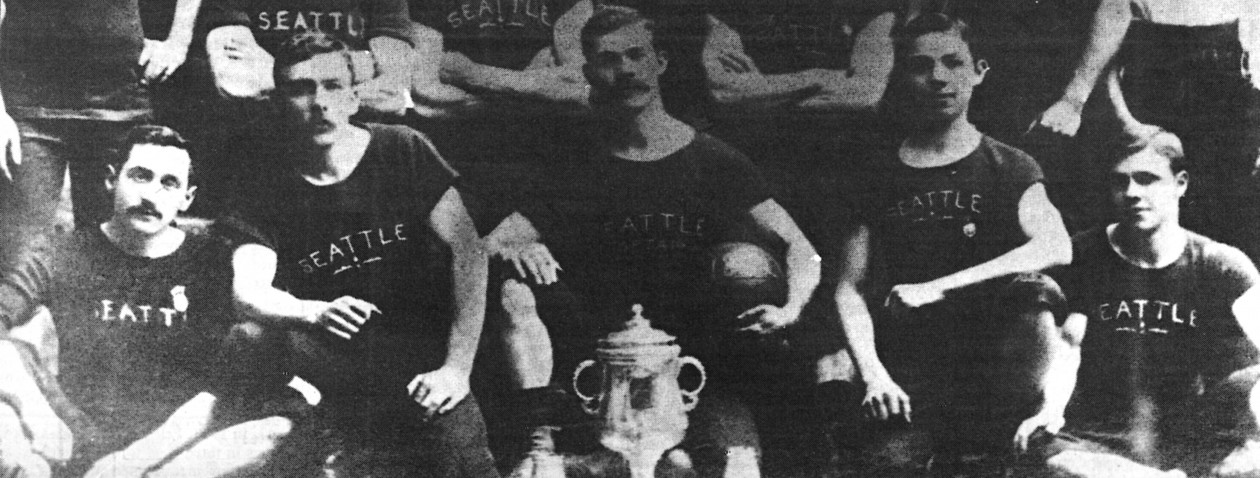
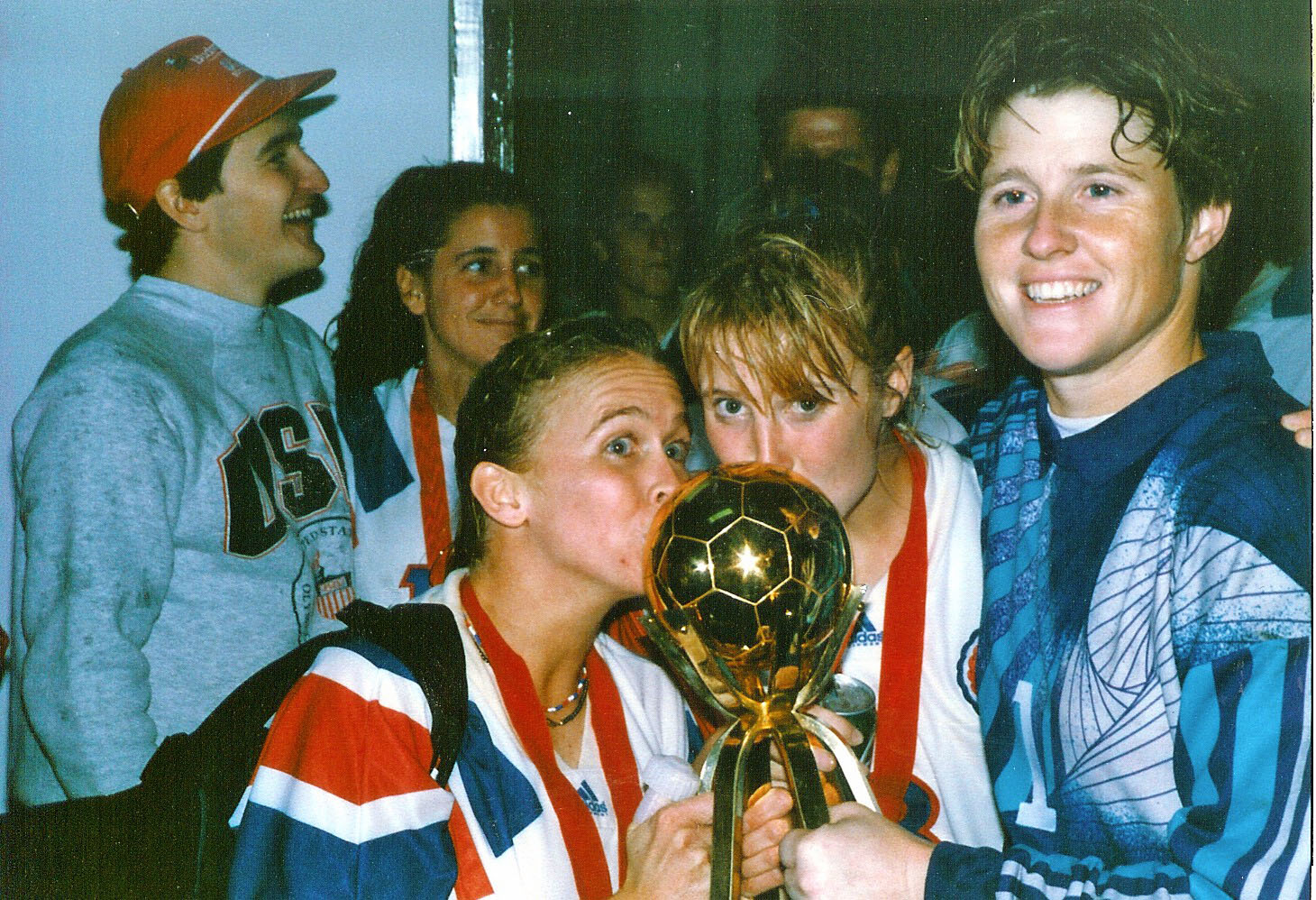
In 1991 Anson Dorrance took a young team to China and promptly won the first World Cup. A few years later they won the first Olympic Games and in 1999, of course, the USWNT doubled their number of World Cup stars at the Rose Bowl.
After a couple trips back east and a bus ride to BC, the Sounders get to make themselves at home for the rest of May.
A three-match home stand featuring visits by Sporting KC, Colorado and the Red Bulls presents no rollovers as they are a combined 3-3-9 on the road. The low-riding Rapids are actually unbeaten (1-0-4) and miserly (2 GA) away. Go figure.
Of course fans will settle for nothing less than nine points, preferably with two of the games lighting the flames on multiple occasions. Historically, that’s not too much to ask.
Each of the past two seasons Seattle has taken all the points from three-match stands, scoring eight times a year ago against Colorado, Philly and Dallas. That started a string of six straight home wins and set the Rave on a course for the Supporters’ Shield.
For every 10 kids out there dreaming of the day they deliver the big game-winning goal, there’s one moppet visualizing the sensational dive that saves the day.
These Tim Howard and Hope Solo wannabes may see themselves flinging themselves from post to post, effectively serving as a force field denying balls entry to the ol’ onion bag.
Nobody beats Barry Watling, at least not his 16 saves made vs. Denver in 1974.
Sometimes dreams come true, such as Kasey Keller’s signature performance versus Brazil in 1998. He saved everything, secured the shutout and the U.S. won, 1-0. But a busy day at the keeper’s office more often ends in defeat, such as Howard’s fate following his World Cup record 16 stops against Belgium.
So it should come no real surprise that in tying the Sounders FC record with 10 saves at Columbus, Stefan Frei was unable save the day. In fact, given that Frei’s made a total of 18 saves in the previous three matches, it’s a bit of a wonder that Seattle had won three straight.
There’s the underlying beat of disco and the images are grainy, but you get the picture. And that’s the bottom line. You’re watching America’s soccer heritage unfold in living color.
While it’s definitely not HiDef, videotapes from NASL broadcasts during the Seventies and early Eighties are in many ways more telling than any prose. If pictures are worth a thousand words, actual match footage is the closest anyone will get to a time machine.
Dave Brett Wasser has spent 20-plus years unearthing these forgotten volumes and now has amassed and converted to DVD more than 450 matches from the days when Sounders, Whitecaps and Timbers first roamed the turf.
It’s the most comprehensive collection of vintage soccer Americana anywhere. For a nominal fee ($12 per game; $10 each for five or more) Wasser has distributed worldwide copies of games featuring countless combinations, from the original, star-laden Cosmos to the short-lived, enigmatic Las Vegas Quicksilvers.
Where else would a 17-year-old, soccer-crazed kid find himself on a Saturday evening in spring but in the basement of his grandmother’s house.
If there was a party, it could wait. Besides, the good ones are just getting started around 10. That would provide ample time to arrive fashionably late. But enough about that and back to the basement.
I loved my Grandma Sadie dearly. Loved mowing and edging her expansive lawn and joining her for lunch afterward on Saturdays. However I must confess that when I returned for dinner later this particular night, it was mostly for the cable.
Yes, honestly cable TV was the attraction. It was 1977 and this new innovation that provided a clear picture and double the number of channels–like 10 altogether–was only available in Centralia’s downtown area, and not up on Seminary Hill where I lived. Located approximately halfway between Seattle and Portland on Interstate 5, Centralia was ideally situated to get both cities’ local affiliates via Craig McCaw’s (look him up) fledgling cable company. Up on the hill, our rabbit ears arrangement afforded only a grainy glimpse of the Seattle channels. Continue reading A Comeback for the Ages→
Legends are made from exploits when matches matter most. Sometimes that’s the postseason, and sometimes those feats come in the context of a derby.
Delivering the goods consistently in derby matches makes one tifo-worthy. (Courtesy Sounders FC)
Leafing back through time, those who have constructed tifo-worthy Seattle careers have largely done so through earnest effort, tenacious battling, artful orchestration and as fearless saviors. But of course, the most golden of moments is when the ball billows the back of the twine, and the crowd goes wild. Glory beyond compare awaits those who score goals, and the bigger the occasion, the more splendid the finish and the more goals, the better.
Here, then, going into Sunday’s match with Portland, are Seattle’s golden boys of Cascadia, era by era, over the past 41 years:
NASL / Sounders, 1974-83
Cascadia goals: Peter Ward (6); John Rowlands (5), David Butler (5), Paul Crossley (5), Mark Peterson (5)
Peter Ward proved a one-man wrecking for the Timbers in 1982. (Frank MacDonald Collection)
It’s probably a good thing that induction into the National Soccer Hall of Fame is a byproduct of job well done rather than an objective from the outset. Otherwise, seeing what must be undertaken over years and years would seem overwhelming. Why, it would be enough for a coach to consider accounting.
In assessing the careers of Kasey Keller and Sigi Schmid it seems they should’ve locked-up an invitation to the Hall long ago. They appear to have what it takes in spades.
For Keller, he was tracking toward this day for more than 20 years,
beginning in 1989 when he shined at that U20 World Cup. By 2005 he’d been U.S. player of the year three times, made three World Cup rosters, broken new ground for Americans in Europe and blanked Brazil in a performance for the ages. Yet he kept on going for another six seasons, in the end coming home to remind those in MLS what we’d been missing all those years. Continue reading Soccer Hall Beckons (And There’s room For More)→
So maybe they wouldn’t be coveted for the waiting line at the DMV. But two Sounders rookies have unwaveringly embraced the numbers they’ve been issued.
When Victor Mansaray sprinted onto the Toyota Stadium pitch last week, he not only became the youngest Seattle pro to appear in a competitive first team match, the 18-year-old also broke new ground by wearing ’80’ on his kit, front and back.
A few minutes later the numerology bar was pushed higher still with the introduction of number 91, Oniel Fisher.
It took more than 30 years for Seattle to break out of the 30s, with Hugo Alcaraz-Cuellar (77) doing the honors. (Courtesy FC Alliance)
The Numbers Game
While it took 33 years to break with tradition and go beyond the 30s, now the Sounders are approaching the outer limits. Officially FIFA restricts numbers to 99, but as those attending the Xolos friendly will attest, who’s counting?
Tijuana substitute Matthew Gomes wore 104 on his back, and the club roster lists a first team player with 112. Furthermore, their academy ledger is loaded with players asssigned triple digits.
Seven years on, and it’s lunacy to think they could be called anything but Seattle Sounders.
To many, even seven years ago, any alternative seemed sacrilege. On March 25, 2008, newly christened and generically dubbed MLS Seattle put its to a public vote. They asked fans to choose between three nickname options: Alliance, Republic or Seattle FC.
While locals associated ‘Sounders’ with professional soccer’s storied Seattle history, in the upper reaches of MLS the name was met with resistance. Nostalgia was well and good, but this was a new team in a new league and it was best to make a fresh start. At least that was the wisdom coming from league brass.
Rolling through the years, there have been scores of international friendlies played round these parts, with a wide variety of match-ups and benefits.
They have benefitted widows and expectant mothers, state associations and school team formation. Over the generations we’ve hosted Cold War foes and Sister Cities, Olympic champions and Champions League victors.
This, the 10th friendly of the Sounders FC era, is billed as preparation for the upcoming return of Seattle to Champions League play. More than four months before the fact and with group stage opponents yet to be determined.